broker business model · 5 min read · Kyrylo Vasyliev
How Brokers Make Money: PFOF, Spread, FX Markup (2026)
Where does a zero-commission broker's revenue come from? PFOF, spread markup, FX conversion, securities lending, inactivity fees — with real numbers.
Contents
Meta
The product is you — but the mechanism varies by broker
A broker's job is to execute your orders. Their business is to generate revenue while doing so. These two facts are in permanent tension, and understanding how your broker monetises order flow is one of the most useful things an investor can learn.
The good news: most EU/UK regulated brokers do not steal from you. The less good news: they don't work for free. The revenue has to come from somewhere — and it comes from you, just not always where you'd expect.
1. Spread markup — the invisible toll on every trade
Every asset you trade has a bid price (what buyers pay) and an ask price (what sellers receive). The gap between them is the spread. Brokers that advertise zero commissions often widen this spread slightly and pocket the difference.
Where it's material:
- Liquid US stocks: Minimal — $0.01–0.05 per share, often undetectable
- FX pairs on CFD platforms: EUR/USD spread typically 0.5–1.0 pip on zero-commission CFD accounts ($5–10 per $100,000 notional per round trip)
- ETFs in illiquid markets: A small European ETF might trade at a 0.3–0.5% spread that the broker widens to 0.6–0.8%
- Crypto: Most retail crypto desks mark up the spread 0.5–1.5%
How to detect it: Compare the price you received to the mid-price at execution time. "Slippage" that is consistently in the broker's favour is spread markup, not market movement.
2. Payment for order flow (PFOF) — selling your orders to a third party
PFOF is the practice of routing customer orders to a specific market maker in exchange for a payment to the broker. The market maker earns the spread; the broker earns a rebate. You get execution — potentially at a price slightly worse than the best available.
- EU (MiFID II): Banned or being phased out under the MiFID II Retail Investment Strategy (2024 reform, transitional provisions apply)
- UK: Banned (FCA prohibited inducements)
- US: Legal — the primary model for Robinhood, TD Ameritrade (Schwab), Webull
- Offshore (Seychelles, Belize, Bahamas): Typically legal
For our brokers: FCA and CySEC regulated entities cannot legally use PFOF for EU/UK clients. Interactive Brokers explicitly does not use PFOF on its institutional-routing accounts (IBKR Pro) — execution quality is a stated differentiator.
3. FX conversion markup — the silent tax on cross-border investing
If your account is in EUR and you buy a USD-denominated stock, the broker converts your EUR to USD. The conversion price includes a markup above the interbank mid-rate.
Typical markups (approximately, based on publicly available fee schedules):
| Broker | FX Markup | Applies to |
|---|---|---|
| Interactive Brokers | ~0.2% (min. $2 per conversion) | All cross-currency trades |
| XTB | 0.5% | Auto-conversion at trade |
| EXANTE | 0 on EUR/USD (0.25% other majors, 0.4% other currencies) | Multi-currency account optional |
| Admirals | 0.3% | Shares and ETFs quoted in another currency (Invest.MT5) |
On 12 monthly purchases of €1,000 in US stocks, the difference between 0.2% and 0.5% FX markup is roughly €36/year — in a portfolio labelled "zero commission."
4. Securities lending — your shares work for someone else
Regulated brokers can lend your shares to short-sellers and receive a lending fee. Under most retail account agreements, the broker keeps this revenue unless you specifically sign up for a revenue-sharing programme.
How it works: The broker holds your 100 shares of a heavily-shorted stock. A hedge fund pays the broker 2–8% annualised to borrow them. Your account shows 100 shares; the hedge fund borrows and sells them. The broker collects the lending fee.
Is it risky for you? Yes — in theory. If the broker lends your shares and then fails before returning them, you are an unsecured creditor for the value of those shares. In practice, regulated brokers must maintain collateral against lent positions (102–105% of the value), and your claim is against the collateral, not the borrower.
Interactive Brokers runs a Stock Yield Enhancement Program (SYEP) that shares lending income 50/50 with clients. Most brokers do not share it at all.
5. Inactivity and dormancy fees
Several brokers charge a monthly fee if you haven't placed trades within a defined window. This is pure overhead recovery — the broker still incurs custody and reporting costs for an inactive account.
Current inactivity fees (verified):
| Broker | Fee | Triggers after | Conditions |
|---|---|---|---|
| EXANTE | €50/month | 90 days | Free cash <€5k AND no open positions |
| XTB | €10/month | 12 months | No trades in 12 months |
| Interactive Brokers | $0 (removed 2021) | — | — |
| Admirals | €10/month | 24 months | No trades in 24 months |
Note: EXANTE's fee sounds severe but has strict conditions — an actively invested account is exempt. XTB's is milder but triggers faster.
6. Interest on cash balances
When your uninvested cash sits in a brokerage account, the broker deposits it at a rate higher than it pays you. The spread between the interbank rate and your credited rate is revenue.
In a 4–5% interest rate environment (2023–2026), this spread became significant. A broker holding €100 million in client cash and paying 0% while earning 4% generates €4 million in annual interest income — from accounts that don't actively trade.
- Interactive Brokers passes competitive interest rates to clients (IBKR Pro)
- Most CFD brokers pay 0% on uninvested cash in trading accounts
- Just2Trade offers interest on US account cash (verify current rates from their fee schedule)
What to do with this information
Understanding the revenue model doesn't mean avoiding a broker — it means knowing which costs matter for your specific trading style:
- Infrequent buy-and-hold: FX conversion and inactivity fees matter most. PFOF and spread markup are negligible.
- Active CFD trader: Overnight financing, spread markup, and PFOF matter. Inactivity fees are irrelevant.
- Large portfolio, multi-currency: FX conversion model and securities lending matter. Custody fees become relevant at scale.
Read the actual fee schedule, not the marketing headline. The numbers are there — they just require knowing where to look.
Not financial advice. Fees verified from official broker sources as of 2026. Brokers may update fee structures.
About the author
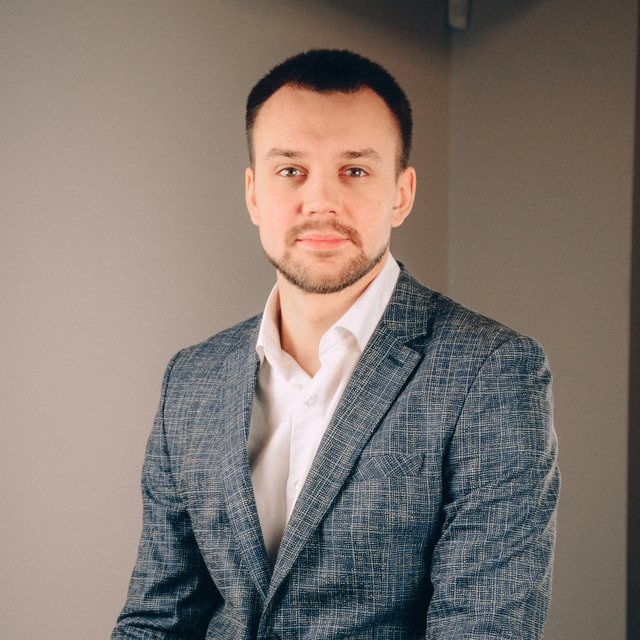
Founder and editor
Kyrylo Vasyliev founded BrokerFit. He started out in sales, went on to run a sales department and then a company’s representative office, and has worked in software development since 2021. He builds investment software, including a trading robot and a portfolio-rebalancing service that run on a broker’s trading API. At BrokerFit he is responsible for the methodology and for checking data against regulators’ registers: licence numbers, the status of legal entities and the date each record was read.
Brokers mentioned in this article
Trust score and regulator, as shown in our full broker reviews.
Compare these head-to-head
Keep reading
Trading 212 Fees 2026: What 'Zero Commission' Costs
Trading 212 charges 0% on stocks and ETFs — but makes money on FX conversion, card deposits, securities lending and cash interest. The real cost, line by line.
Zero-Commission Brokers: 6 Hidden Ways They Profit (2026)
Your broker says $0 commissions. Here are 6 ways they make money anyway — with real numbers. Spread markup, PFOF, swap fees, and more.